
Benefits of Root Canal Treatment
January 2, 2023
Root Canal Treatment
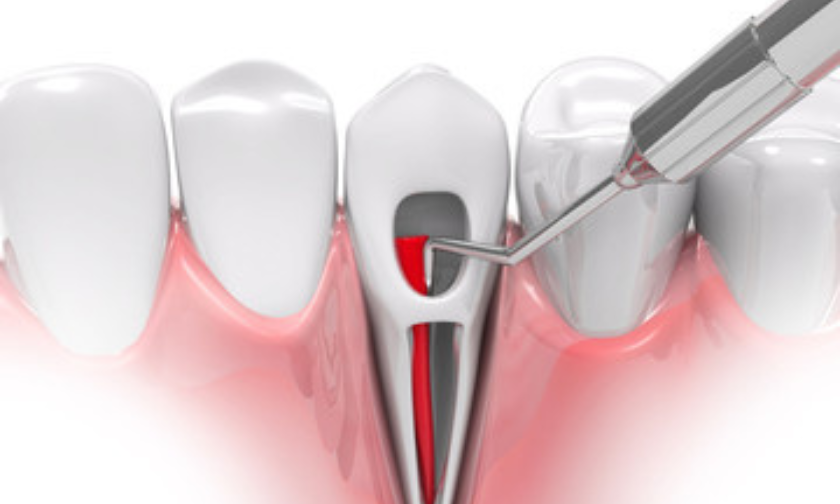
While no one enjoys the thought of having a root canal, this treatment can save your tooth and prevent further damage. Learn about the benefits of root canal therapy and what to expect during the procedure.
Root canal treatment can save your tooth from extraction
Root canal treatment is a procedure used to save a heavily damaged tooth from extraction. It is estimated that hundreds of millions of teeth are held every year due to the effectiveness of root canal therapy. During the procedure, your dentist will access the interior of your tooth, remove any decay and infected matter and fill the affected area with a material to prevent further damage. Not only does it spare you from releasing an otherwise healthy tooth, but it may also prevent future discomfort that an untreated infection would have caused. While this procedure typically requires multiple trips to the dentist’s office, in the end, you’ll be glad you invested in your smile – saving an oral asset rather than pulling it out!
It can also help to prevent further damage to the tooth.
Good oral hygiene is essential for the prevention of tooth damage, but sometimes even with proper brushing and flossing, damage can still occur. Fortunately, many treatments are available to address this problem and help prevent further damage. The most common treatment is a dental filling, and if the decay has advanced too far, a root canal may be necessary. These treatments can address existing damage while also strengthening the area to prevent future problems.
The procedure is relatively painless and quick.
The procedure you are about to undergo is quite simple and will not take up much of your time. Most importantly, it should also be noted that it is relatively painless. You should feel minimal to no discomfort with a skilled operator performing the procedure. The sensation during the process may be described as gentle vibrations or pressure without significant distress. It is advisable to speak with a professional before deciding whether the procedure is correct for you.
It is usually covered by dental insurance.
Going to the dentist can be a costly inconvenience, but it’s usually something that your insurance can cover. Most plans will include regular check-ups, cleanings, and x-rays as part of their coverage, and depending on the specifics of your project, you may also be able to get additional treatments like fillings and crowns taken care of. Even if you don’t have dental insurance, there are still ways to make your dentist trips much more financially manageable. Asking about flexible payment plans or looking into discounts from certain providers are great options for getting quality care without breaking the bank.
After the root canal, you will need to take care of your tooth with regular brushing and flossing.
Taking care of your teeth is an integral part of our daily routine, and the consequences of not doing so can be stiff. Tooth sensitivity and gum disease are just two risks you run if you do not brush twice a day and floss at least once. After having a root canal, it is essential to maintain your dental hygiene regimen to avoid any long-term damage or irritation to the tooth that was worked on during the procedure. Your dentist will likely provide specific instructions for you to follow depending on your individual needs, but remember that brushing and flossing are vital to keeping your oral health in tip-top shape after a root canal!
Root canal treatment is a great way to save your tooth from extraction and prevent further damage. The procedure is relatively painless and quick and is usually covered by dental insurance. After the root canal, you will need to take care of your tooth with regular brushing and flossing.
Recent Post

September 28, 2026
Should You Whiten Your Teeth Before Getting Veneers?

September 18, 2026
Why Won’t My Teeth Whiten? 7 Reasons Whitening May Not Work

September 10, 2026
What Should You Do If Your Dental Crown Falls Out?

September 3, 2026
Can a Dental Abscess Go Away on Its Own?

August 27, 2026